
Bushnell · exact Amazon product
View on Amazon Buyer-intent collection
Browse the complete catalog across laser, GPS, hybrid, slope and distance-only devices. Use the catalog first, then the supporting guides to verify tradeoffs before buying.
As an Amazon Associate, we may earn from qualifying purchases.Check Golf Range Finders on AmazonExact products
Exact product pages show the model and Amazon destination. Availability and included accessories can change by variation.


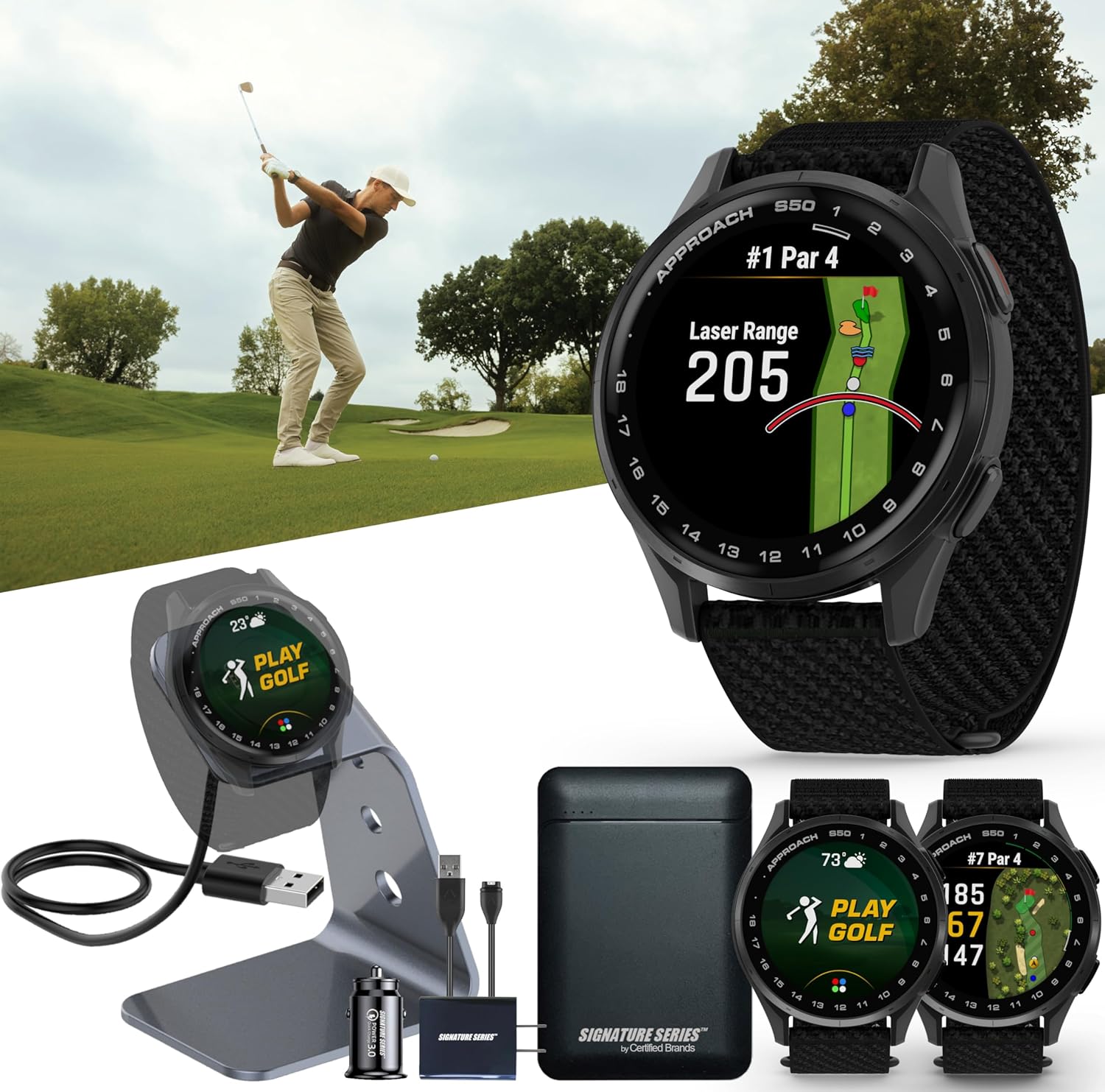


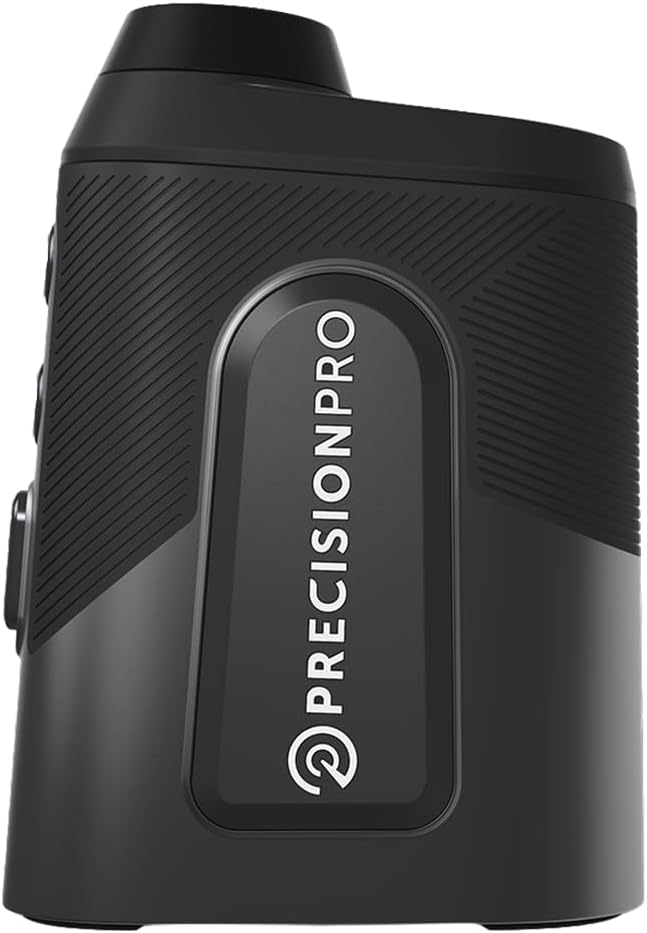


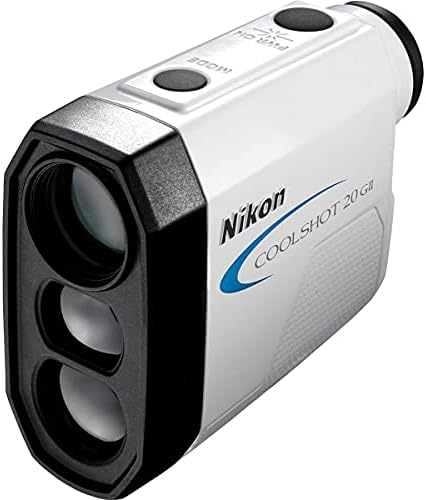


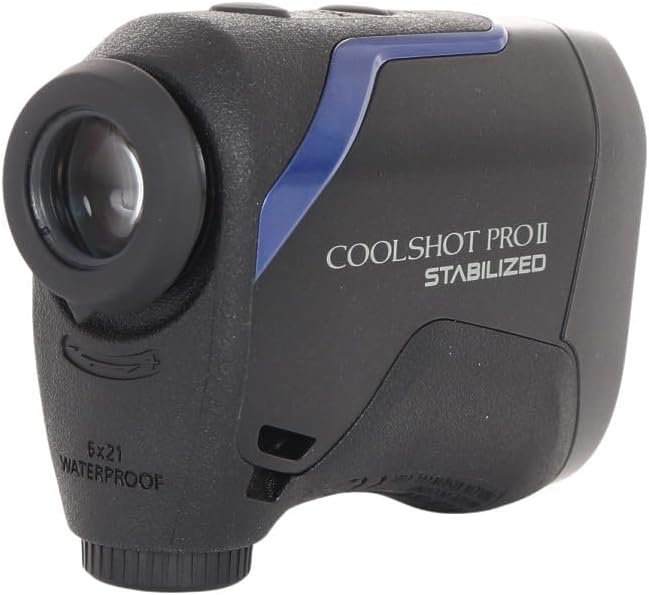


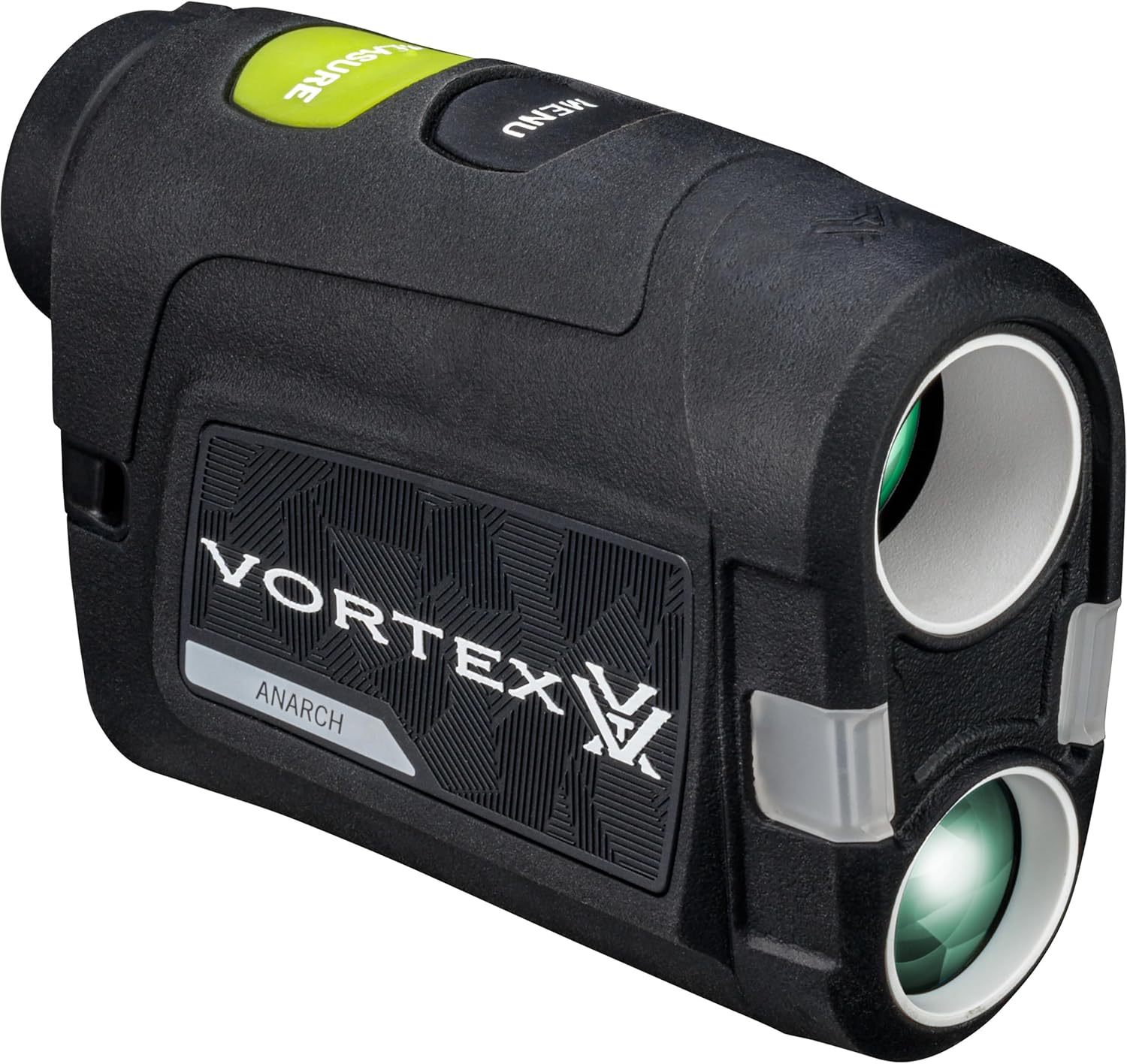
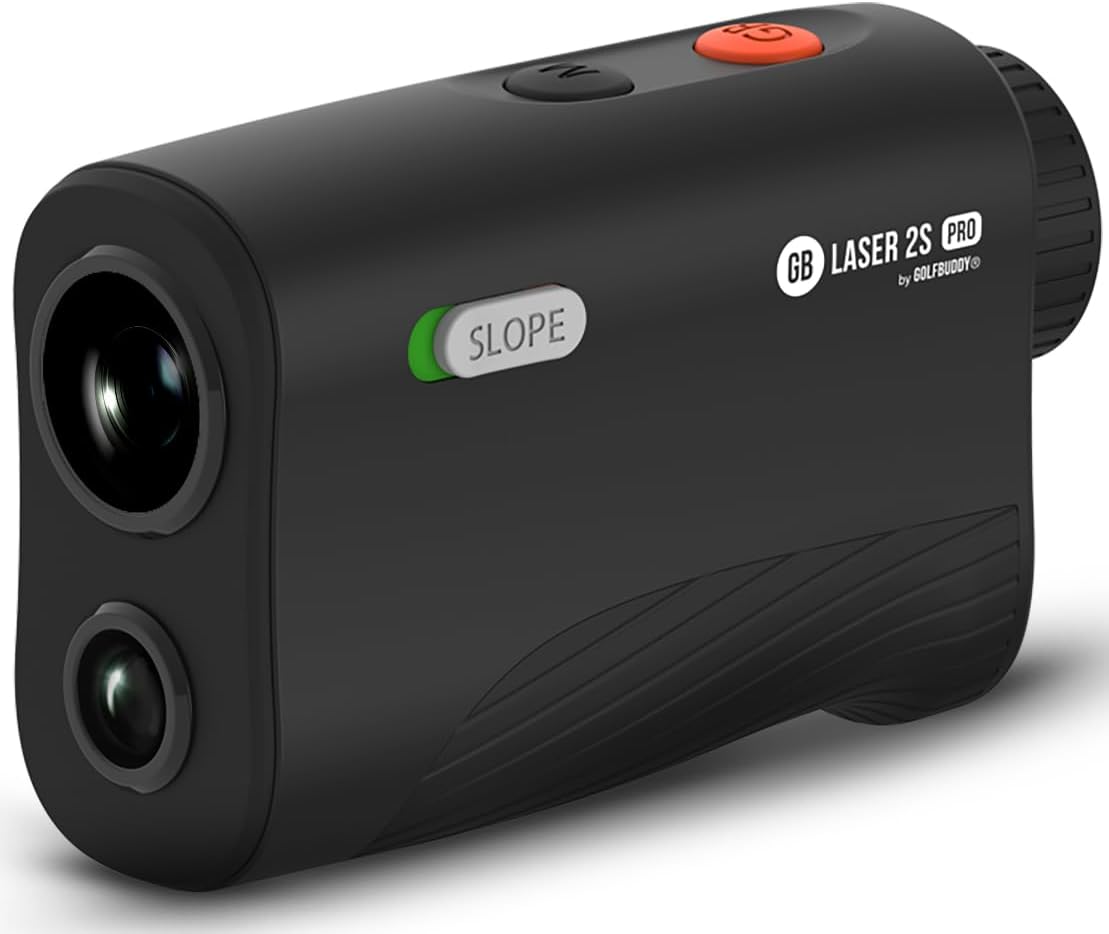


Full buying guide
Browse the complete catalog across laser, GPS, hybrid, slope and distance-only devices. Compare optical clarity, flag acquisition, display visibility, controls, battery system and the visibility of any slope mode. Maximum advertised range is not a substitute for reliable pickup on a small flag.
A laser golf range finder sends an invisible, eye-safe pulse toward the object under its reticle, times the reflected light, and converts that round trip into a line-of-sight distance. Golf-specific targeting helps separate a nearby flag from trees behind it. Some models also calculate an elevation-adjusted playing distance. The number is useful only when the player knows what was targeted and still judges wind, lie, temperature, and shot shape.
paaSlope mode measures the angle to a target and converts the laser's straight distance into an estimated playing yardage. It helps on hilly courses and during practice, but it does not know the golfer's trajectory or every weather condition. In rounds governed by the Rules of Golf, measuring elevation change is not allowed, so slope must be disabled and any event-specific Local Rule must also be checked.
paaGolf range finders are generally allowed for measuring distance under Rule 4.3, with two major limits. A player may not use one to measure elevation change or receive interpreted advice such as a club recommendation, and a committee may adopt a Local Rule banning distance-measuring devices entirely. Turn slope off, review the event conditions, and ask the committee before play if the notice is unclear.
paaA sound modern laser golf range finder can commonly resolve a cooperative target to about one yard, and some premium models claim tighter tolerances. On-course accuracy also depends on aiming, target reflectivity, hand movement, weather, lens condition, and whether the unit locks onto the flag instead of its background. Repeatability to one exact object is a more useful test than comparing an isolated reading with an approximate tee marker or GPS midpoint.
paaChoose laser when you want exact distance to a visible flag or feature and do not mind aiming. Choose GPS for instant front, middle, and back yardages, hazard context, or information on a blind shot. Laser requires no course map; GPS depends on satellite reception and current mapping. A hybrid approach helps frequent travelers, while a simple laser suits players who mainly need pin distance.
paaFor shaky hands, prioritize true image stabilization, generous field of view, fast first-target acquisition, vibration or visual lock confirmation, and a shape that supports a two-handed grip. Six-power magnification is usually easier to manage than chasing the highest number. Before buying, test whether the stabilized view settles both the scenery and aiming reticle, whether buttons work without squeezing, and whether the unit returns the same flag distance several times.
paaA weather-sealed golf range finder can work in light or steady rain, but rain, fog, glare, and water on the apertures may shorten effective range or cause the laser to return from the wrong layer. Waterproof construction protects the housing; it does not make an infrared beam immune to suspended droplets. Use a lens-safe cloth, range larger nearby features, repeat the measurement, and rely on GPS or course markers when visibility is poor.
paaMost compact laser golf range finders use either a replaceable 3-volt CR2 lithium battery or an internal rechargeable cell. CR2 models are easy to revive immediately with a spare; rechargeable models reduce disposable-cell purchases but require a charging routine and may be harder to service as they age. Buy the exact type specified in the manual, carry power safely, keep contacts dry, and change or charge before an important round rather than waiting for erratic ranging.
paaMaintain a golf range finder by removing loose grit before touching the lenses, using an optical blower or soft brush, then wiping gently with a clean microfiber cloth and lens-safe solution if needed. Keep the laser aperture, objective, eyepiece, battery door, and case dry. Avoid shirts, paper towels, household glass cleaner, compressed shop air, direct heat, and do-it-yourself disassembly. Inspect power and seals periodically and store the device away from extreme temperatures.
paaA golf range finder is optimized to isolate a nearby flag from trees behind it, usually with first-target priority, pin lock, and competition-friendly slope control. A hunting model often favors a more distant target through brush and may add ballistic, bow, wind, or mapping functions. Either laser can measure a clear broad object, but the wrong target logic can make a hunting unit frustrating on flags and a golf unit unreliable through vegetation. Buy for the primary activity rather than maximum range alone.
paaA beginner should choose a simple golf range finder with clear optics, fast flag lock, vibration or visual confirmation, and uncomplicated yards/meters and slope controls. Use it first for front, center, or safe carry decisions—not to attack every flag. Range one meaningful target, confirm the number once, compare it with a realistic carry chart, and play. The device improves decisions only when the golfer knows carry distance and accepts normal shot dispersion.
paaA senior-friendly golf range finder should have a bright high-contrast display, sufficient eye relief for glasses, focus adjustment, fast flag lock, gentle controls, and a body large enough to grip without strain. Stabilization can be worth more than extreme range for unsteady hands. Compare laser with a large-text GPS device, and test both outdoors. The easiest option is the one that supplies a trustworthy number without squinting, repeated aiming, or complex menus.